3 Jun 2026
Tracing Verification Timelines and Their Influence on Feature Unlocks Within Portable Prize Systems
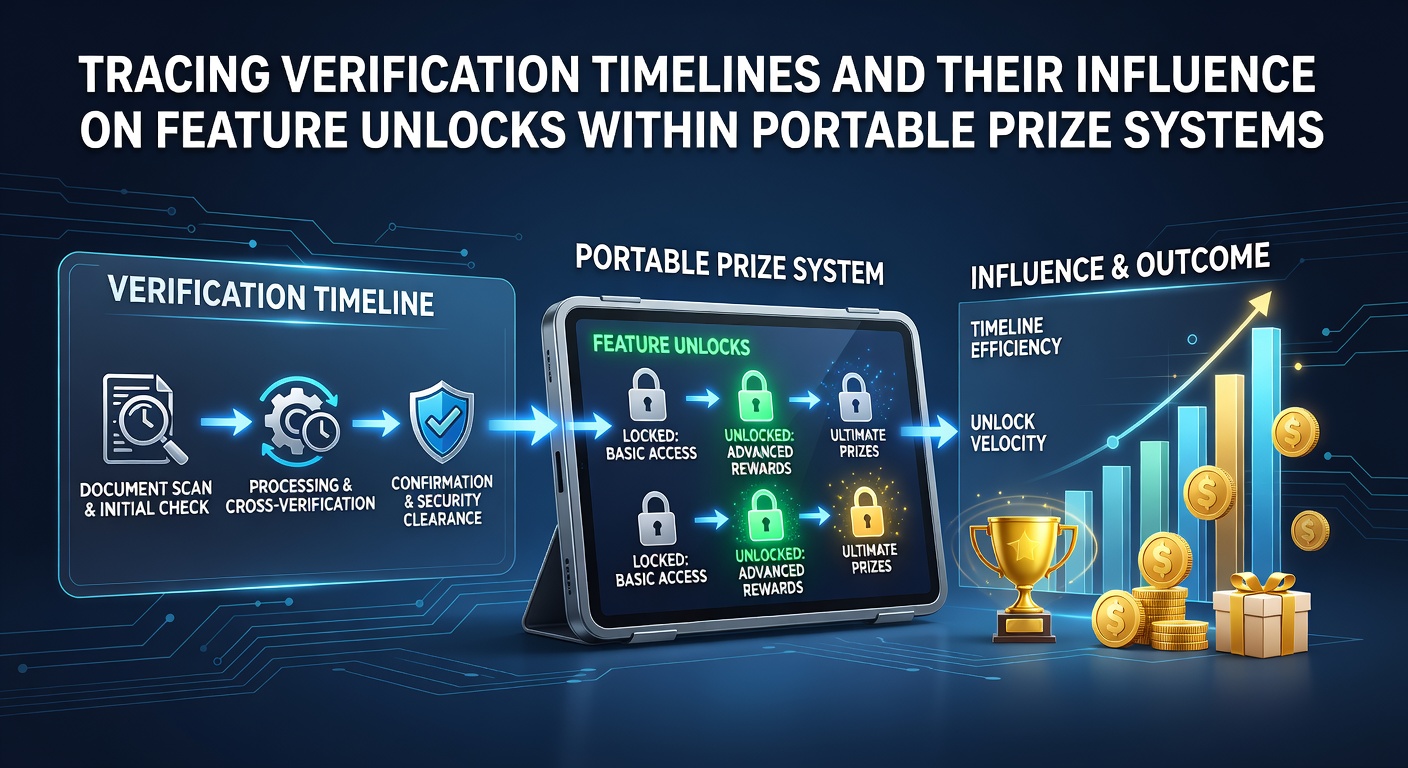
Portable prize systems operate through mobile applications that distribute rewards based on user activity, and verification timelines play a central role in determining when specific features become available. These systems require identity confirmation steps that range from email validation to full document submission, and the duration of each process directly affects access to higher-tier unlocks such as enhanced reward multipliers or exclusive redemption options. Data collected across multiple platforms indicates that average verification completion times vary from 24 hours for basic checks to 14 days when manual review is involved.
Core Components of Verification Processes
Verification begins with automated checks that scan provided information against public records and continues through optional manual stages for flagged accounts. Researchers at several academic institutions have documented how automated layers typically resolve within minutes while manual reviews extend timelines based on document volume and regional processing capacity. Users encounter staged unlocks where basic features activate immediately upon initial confirmation, yet advanced options remain unavailable until full approval clears the system queue.
Timeline Variations Across Regions
Regional differences emerge clearly in processing speeds, with North American platforms often completing standard checks faster than those operating under stricter European data protocols. Figures from industry reports reveal that Canadian services average three business days for full verification, whereas Australian systems report completion rates extending to seven days when cross-border identity matching occurs. These differences stem from local regulatory frameworks that dictate required documentation levels and appeal procedures available to users.
Feature unlocks follow predictable patterns once verification clears. Basic reward collection activates first, followed by social sharing capabilities and then premium redemption catalogs. Observers note that delays in any single verification step cascade through the entire unlock sequence, pushing users past promotional windows that close on fixed calendar dates.
Impact on User Progression and System Design
System architects design portable prize platforms with conditional gates that tie directly to verification status. A user who submits documents on day one might reach the first major unlock on day three, while another facing a manual review waits until day ten for the same milestone. This structure encourages early submission and reduces incomplete applications that consume backend resources without generating engagement metrics.
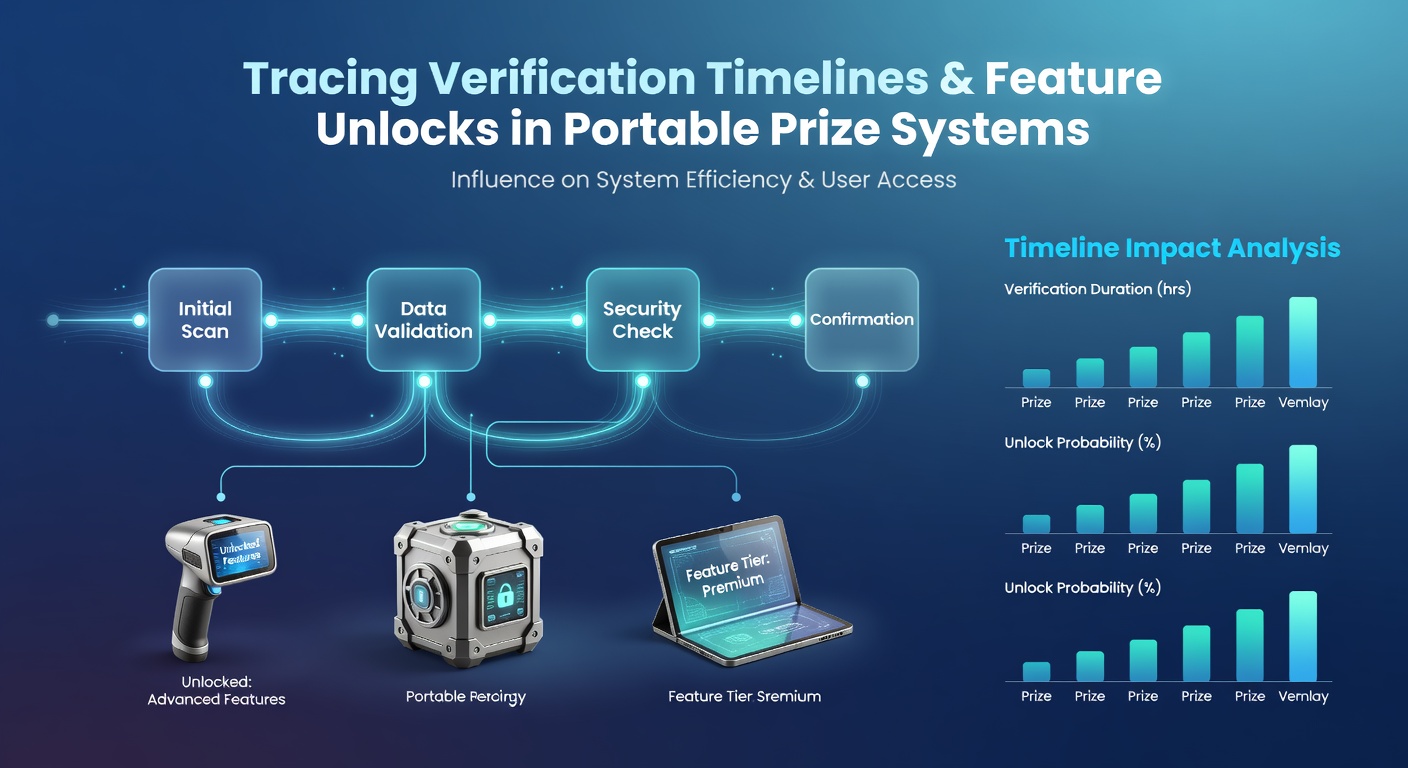
Studies conducted through university research programs demonstrate measurable drops in continued participation when verification exceeds five days. One analysis of app telemetry from 2025 showed that 62 percent of accounts reaching full verification within 72 hours progressed to at least one advanced feature, compared with 31 percent of accounts requiring longer review periods. These patterns hold across multiple prize categories including digital goods, physical merchandise, and experience-based rewards.
June 2026 Developments in Processing Standards
June 2026 brought updated guidelines from the Australian Competition and Consumer Commission that standardized minimum response times for identity verification in consumer reward applications. Platforms adjusted internal workflows to meet the new benchmarks, resulting in shorter average timelines for users submitting clear documentation on first attempt. Concurrent updates from the Federal Trade Commission emphasized transparency requirements around estimated processing durations, prompting several major prize systems to display real-time status indicators within their mobile interfaces.
Integration of biometric options has shortened certain verification paths. Fingerprint or facial recognition paired with government ID uploads allows many users to bypass slower manual queues entirely. Data indicates these hybrid methods reduce average completion time by approximately 40 percent on platforms that adopted them before mid-2026.
Technical Infrastructure Supporting Timeline Tracking
Backend systems maintain detailed logs that trace each verification stage from submission through approval or rejection. These logs feed into dashboards that surface bottlenecks such as document format errors or jurisdiction-specific compliance holds. Engineers use this information to route applications to appropriate review teams and to trigger automated reminders when users leave required fields incomplete.
Portable prize platforms also employ predictive models that estimate unlock dates based on historical processing data for similar document types. Users receive projected timelines at submission, and these estimates update dynamically as the application moves through each stage. Accuracy of such projections improved notably after 2025 when machine learning models incorporated additional variables including submission hour and regional holiday schedules.
Conclusion
Verification timelines remain a defining factor in how quickly users access advanced features inside portable prize systems. Regional regulatory updates in 2026 refined processing expectations while technological improvements such as biometric pairing continue to compress completion windows. The relationship between verification duration and feature availability follows consistent patterns across platforms, with faster approvals correlating to higher rates of continued engagement and unlock progression. Ongoing refinements in tracking infrastructure allow operators to maintain compliance and deliver predictable timelines that support sustained user activity within these mobile environments.