13 Jun 2026
The Dynamics of Electronic Fund Routing in Sustaining Multiplier Chains Across Portable Prize Displays
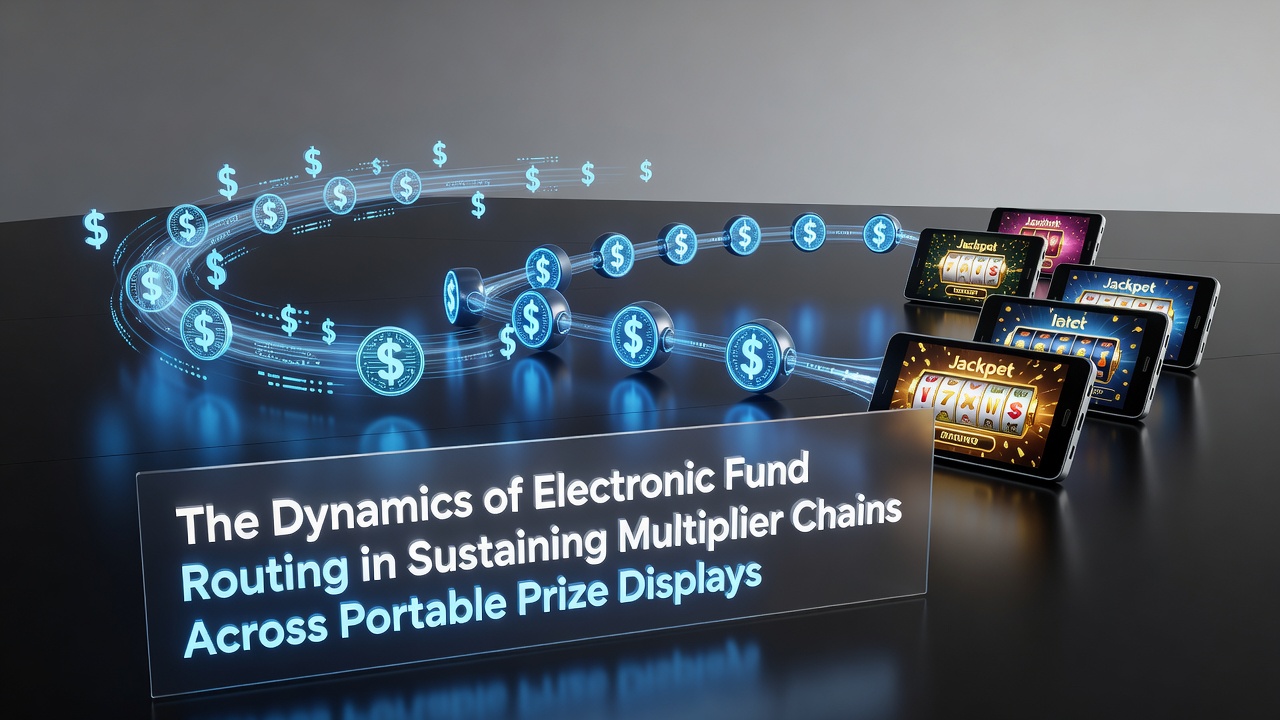
Electronic fund routing operates as the backbone for multiplier chains that activate and extend across portable prize displays in digital entertainment systems. These systems rely on instantaneous transfers between user accounts and game servers to maintain continuous multiplier growth during active sessions. Data from industry reports shows that routing protocols process micro-transactions in milliseconds, allowing multipliers to build without interruption on handheld devices.
Core Mechanisms of Fund Routing Protocols
Fund routing protocols direct capital through layered networks that connect banking interfaces directly to portable prize platforms. Each transaction carries metadata that identifies session states and multiplier levels, which ensures funds arrive at the precise moment a chain requires reinforcement. Observers note that these protocols incorporate redundancy checks so that a single node failure does not collapse an ongoing multiplier sequence on the user's screen.
Portable prize displays receive real-time balance updates through encrypted channels that synchronize with central routing engines. When a multiplier chain extends, the system pulls incremental amounts from pre-authorized reserves, and the display reflects the updated value immediately. Research indicates that average routing latency in optimized networks stays below 200 milliseconds during peak usage periods in 2025 and early 2026.
Multiplier Chain Sustainability Factors
Multiplier chains depend on consistent fund inflows that match the rate at which players trigger successive levels. Routing engines calculate required increments based on current chain length and remaining session time, then execute transfers before the next display refresh cycle. This timing prevents visual breaks that could reset player perception of progression on portable screens.
Systems deployed in North American markets utilize adaptive routing tables that prioritize high-volume corridors during evening hours when portable device activity peaks. European operators apply similar logic but adjust for regional banking cutoffs that occur at different times of day. Australian regulatory filings from June 2026 reveal that operators must now log every routing event tied to multiplier extensions for compliance audits.
Integration with Portable Hardware Constraints
Portable prize displays operate under battery and bandwidth limitations that influence how routing requests are batched and executed. Developers design lightweight protocols that compress transaction packets while preserving the integrity of multiplier data streams. Those who've examined device logs report that optimized routing reduces data overhead by up to 40 percent compared with earlier versions used in 2024.
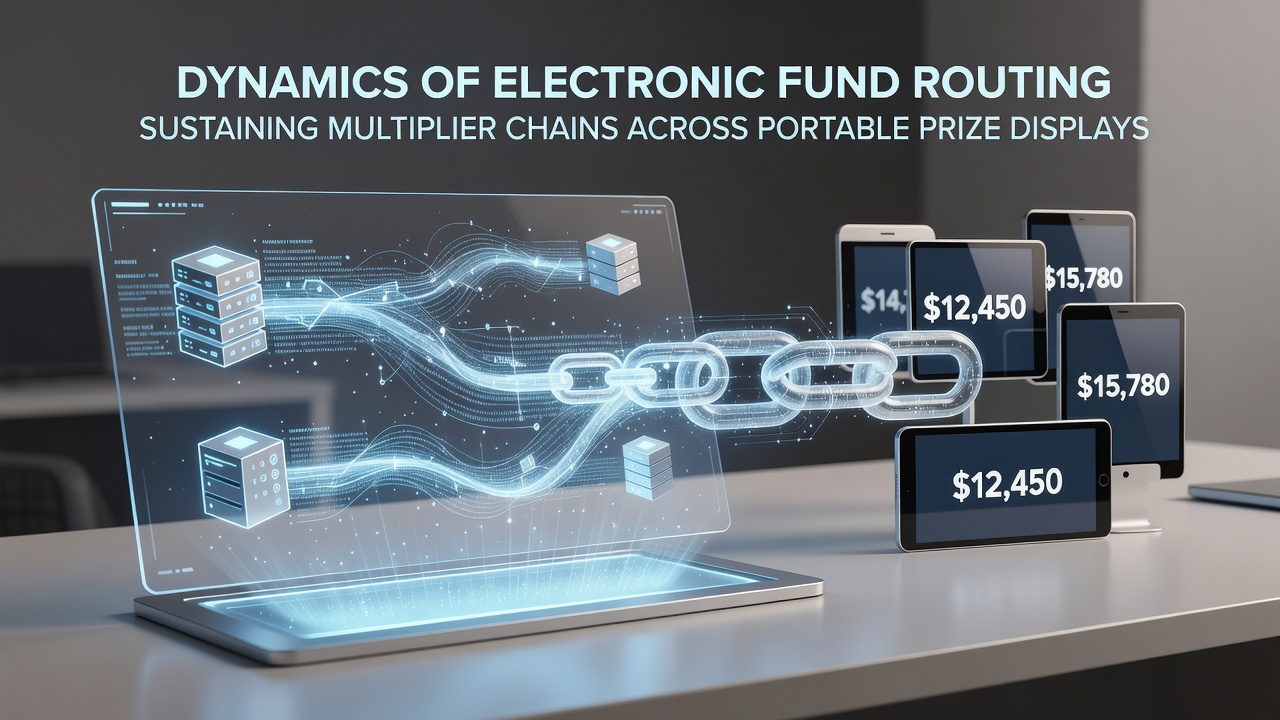
Screen refresh rates on handheld devices must align with incoming fund confirmations to avoid desynchronization between the visible multiplier and the actual account balance. Engineers address this through predictive buffering that anticipates the next required transfer and pre-stages the funds in a temporary cache on the device itself. Studies conducted by research institutions in Canada demonstrate that such buffering maintains chain continuity even when momentary network drops occur.
Security Layers Protecting Routing Integrity
Security frameworks wrap each routing event in multi-factor verification that includes device fingerprinting and behavioral pattern analysis. These measures prevent unauthorized diversion of funds that could interrupt multiplier chains mid-sequence. Government agencies in Malta published updated technical standards in spring 2026 that mandate additional encryption steps for all portable display transactions exceeding certain volume thresholds.
Tokenization replaces sensitive account details during transit, while the routing engine retains only the minimal data needed to complete the multiplier extension. Industry associations tracking system performance report that these layered protections have reduced successful interference attempts by measurable percentages across monitored networks through the first half of 2026.
Regulatory Developments Affecting Routing Operations
Regulatory bodies continue to refine rules governing how funds move within multiplier ecosystems on portable platforms. In June 2026 several jurisdictions introduced reporting requirements that capture granular details about routing paths used to sustain extended chains. These filings help authorities verify that operators maintain sufficient reserves to honor every multiplier increment displayed on user devices.
Cross-border operators adjust their routing architectures to satisfy varying national standards without disrupting chain continuity for users who travel between regions. Academic papers examining these adaptations highlight the use of modular routing software that swaps compliance modules depending on the detected location of the portable prize display.
Performance Metrics and System Scaling
Performance data collected from large-scale deployments shows that routing capacity scales linearly with the number of active portable displays until hardware saturation points are reached. At that stage, operators activate secondary routing clusters to distribute load and preserve multiplier chain stability. Figures released by trade groups indicate average uptime rates above 99.7 percent for major platforms during high-traffic events recorded in 2025.
Load-balancing algorithms evaluate current chain lengths across thousands of simultaneous sessions and allocate bandwidth accordingly. This dynamic allocation prevents any single multiplier sequence from stalling due to congestion elsewhere in the network. Observers tracking these systems note that scaling improvements implemented in late 2025 carried forward into 2026 operations without requiring full infrastructure overhauls.
Conclusion
Electronic fund routing sustains multiplier chains on portable prize displays through precise timing, layered security, and adaptive compliance mechanisms. Systems continue to evolve in response to regulatory updates issued in June 2026 and hardware advancements that affect display synchronization. Data from multiple regions confirms that these routing dynamics remain central to uninterrupted operation across expanding networks of handheld devices.