30 May 2026
Senate Subcommittee Tackles Prediction Markets in Sports Integrity Hearing
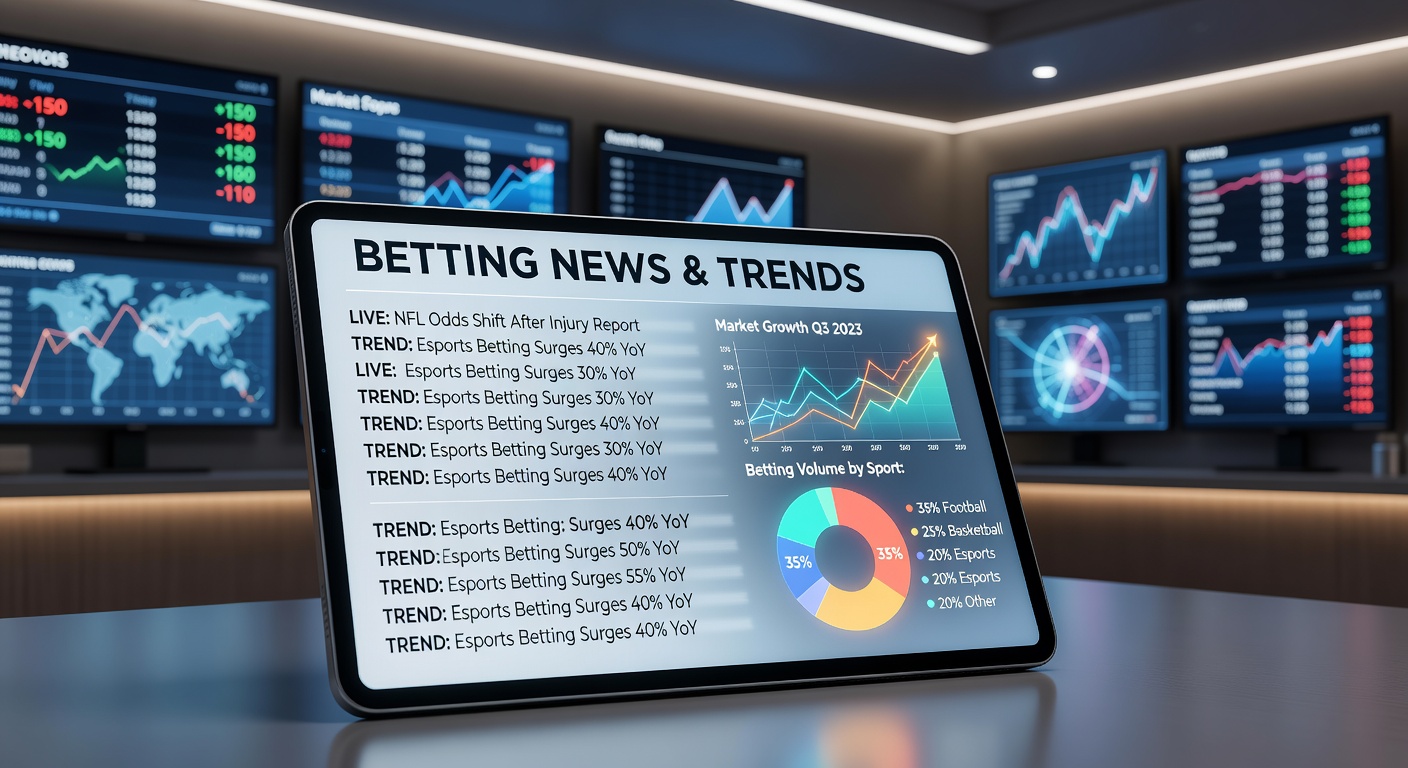
The U.S. Senate Commerce Subcommittee on Consumer Protection, Technology and Data Privacy convened a hearing titled “No Sure Bets: Protecting Sports Integrity in America” where lawmakers examined the expansion of prediction markets that offer contracts tied to sports events, and the subcommittee addressed questions about regulatory authority between the Commodity Futures Trading Commission and state or tribal bodies while reviewing recent scandals and strategies to curb illegal wagering ahead of major tournaments including the 2026 World Cup.
Discussion opened with testimony that highlighted how prediction market platforms have grown in popularity yet raised concerns among traditional gaming operators about whether these venues operate outside established oversight structures. Industry representatives from the American Gaming Association presented data showing increased consumer exposure to unregulated offerings, and they argued that advertising practices on some platforms lack the safeguards required of licensed sportsbooks operating under state laws.
Regulatory Jurisdiction Takes Center Stage
Subcommittee members questioned witnesses on the division of authority between federal agencies and state regulators, noting that the CFTC currently oversees certain event contracts while states maintain primary control over sports betting after the 2018 Supreme Court decision. Advocates for prediction markets contended that their platforms function as financial instruments rather than gambling products, yet gaming industry leaders countered that the distinction creates enforcement gaps that allow match-fixing risks to persist unchecked.
One exchange focused on recent incidents where bettors exploited insider information in lower-profile events, and testimony revealed that several states have already initiated investigations into similar activities occurring on prediction market sites. The hearing also touched on efforts to coordinate with international bodies ahead of the 2026 World Cup, when global attention could amplify both legal and illegal betting volumes across multiple jurisdictions.
Industry Perspectives and Consumer Protection Debates
Representatives from established gaming associations described how prediction markets advertise directly to consumers without age-verification protocols comparable to those mandated for licensed operators, and they pointed to specific examples where promotional materials appeared during youth-oriented programming. Prediction market supporters responded that their systems incorporate self-exclusion tools and transaction monitoring designed to flag suspicious patterns, yet the American Gaming Association maintained that these measures fall short of the multi-layered compliance frameworks used by state-regulated sportsbooks.
Data presented during the session indicated that illegal sports wagering continues to generate substantial revenue outside regulated channels, and witnesses referenced ongoing challenges in tracing funds that flow through offshore platforms. The conversation shifted toward legislative options that could clarify jurisdiction without disrupting legitimate market activity, and several senators requested follow-up reports on how existing statutes might be updated to address emerging contract types tied to athletic outcomes.
Looking Ahead to Major Events
With the 2026 World Cup approaching, the subcommittee emphasized the need for coordinated action between federal and state entities to prevent match-fixing schemes that have historically targeted high-stakes international competitions. Testimony outlined collaborative initiatives already underway between U.S. regulators and soccer governing bodies, while also noting that prediction markets could complicate detection efforts if they remain under separate oversight regimes.
Observers noted that the hearing marked one of the first comprehensive congressional reviews of prediction markets in the post-PASPA era, and the record shows lawmakers requested additional briefings from both the CFTC and state attorneys general offices to map current enforcement capabilities. The session concluded without immediate legislative proposals, yet participants agreed that further hearings would likely examine specific bills aimed at standardizing advertising rules and data-sharing requirements across platforms.
Conclusion
The Senate hearing provided a detailed forum for stakeholders to present their positions on how prediction markets intersect with traditional sports betting regulation, and the discussion underscored ongoing tensions between innovation in financial contracts and established consumer protection standards. As preparations continue for major sporting events in 2026, the subcommittee’s focus on jurisdictional clarity and illegal wagering sets the stage for potential policy developments in the coming months.