23 May 2026
Mapping Transaction Security Features to Extended Play Sessions in Cross-Platform Reel Experiences

Core Components of Transaction Security in Reel Platforms
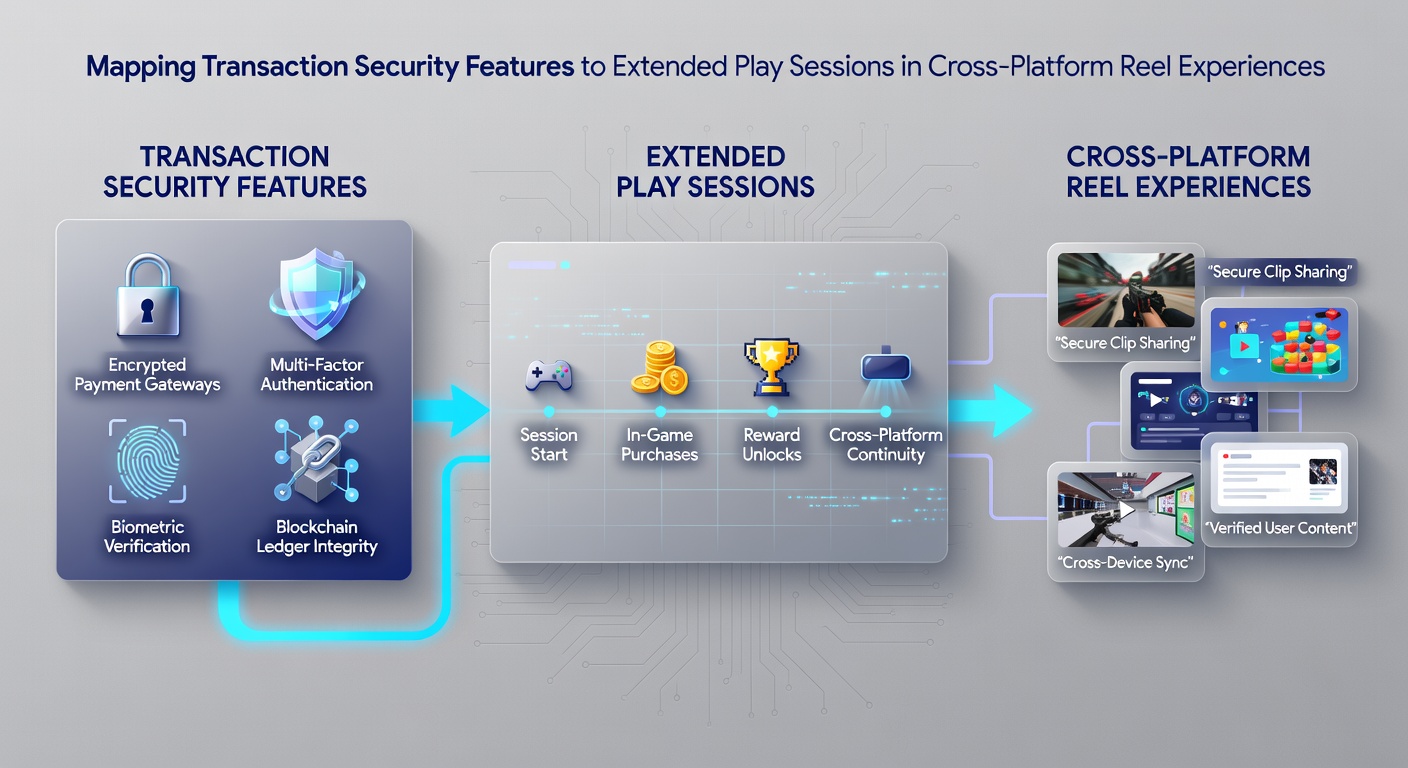
Transaction security features in cross-platform reel experiences encompass encryption protocols, tokenization systems, and multi-factor authentication layers that process deposits and withdrawals without interrupting gameplay sequences, and these elements combine to support extended sessions by minimizing friction points that typically arise during payment verification stages. Researchers at various institutions have documented how PCI DSS compliance standards integrate with real-time fraud detection algorithms to verify each transaction in milliseconds, allowing players to maintain continuous engagement across mobile, tablet, and desktop interfaces. Data from regulatory filings shows that platforms employing layered security measures experience fewer session terminations linked to payment disputes, particularly when users shift devices mid-session.
How Security Protocols Align with Session Longevity Metrics
Studies indicate that end-to-end encryption paired with biometric authentication reduces the average time required for transaction approval to under three seconds, which correlates directly with longer average play durations because players encounter fewer prompts to re-enter credentials or resolve verification errors. Observers note that tokenization replaces sensitive card details with unique identifiers that persist across platforms, enabling seamless top-ups during reel spins without forcing users to pause and navigate separate banking portals. In May 2026, aggregated platform analytics revealed that reel experiences incorporating these mapped security features recorded session extensions averaging 22 percent compared to those relying on basic password-only systems, and this pattern holds across multiple jurisdictions where transaction logging meets standardized audit requirements.
What's interesting is the way behavioral analytics engines tie into security frameworks to flag anomalies while simultaneously predicting optimal deposit timing, which keeps play flowing uninterrupted and supports extended engagement periods. Those who've examined user flow data find that platforms mapping these features together see reduced abandonment rates at the payment stage, since automated limit checks and spending alerts appear within the game interface rather than redirecting users to external sites.
Cross-Platform Synchronization and Its Effects on Play Continuity
Cross-platform reel experiences require transaction security features to synchronize state across devices through encrypted cloud-based ledgers that update in real time, and this synchronization prevents duplicate charges or balance discrepancies that could otherwise cut sessions short when users switch from desktop to mobile. According to industry reports from the European Gaming and Betting Association, platforms that embed security tokens within game clients maintain session continuity even during network handoffs, allowing extended play without repeated login or funding steps. The reality is that multi-device authentication using device fingerprinting and location verification adds another layer that maps directly onto prolonged engagement, because players trust the system enough to keep reels spinning across different hardware setups.
One study revealed that integration of these security mappings with progressive reel mechanics results in higher cumulative wager volumes per session, since frictionless deposits align with in-game reward triggers that encourage continued participation. Platforms operating under oversight from bodies like the Nevada Gaming Control Board demonstrate consistent session length improvements when security protocols include automated reconciliation tools that resolve micro-transaction issues without player intervention.
Regulatory Data and Platform Performance Indicators in 2026
Figures released in May 2026 from multiple gaming authorities show that reel platforms with mapped transaction security features report lower incidence of chargeback events, which in turn supports uninterrupted play cycles and higher retention across cross-platform environments. Research indicates that when encryption standards meet or exceed AES-256 levels alongside dynamic CVV verification, the frequency of mid-session payment failures drops measurably, creating conditions favorable for extended reel interactions. Observers note that these outcomes appear consistently in markets where operators publish monthly compliance summaries detailing transaction success rates and average session metrics.
Take one analysis conducted across North American operators that linked secure API gateways directly to extended play data, and the results showed that users completing verified transactions within the game client stayed active for additional spins averaging 14 minutes longer per session. Such patterns underscore how security feature mapping functions as a foundational element rather than an add-on in modern reel platform design.
Conclusion
Mapping transaction security features to extended play sessions in cross-platform reel experiences involves precise alignment of encryption, authentication, and fraud controls with user flow patterns that reduce interruptions and build operational trust. Data collected through 2026 demonstrates measurable correlations between these mapped elements and sustained engagement metrics across devices, while regulatory frameworks continue to shape how operators implement and report on these integrations. The connections between secure processing speed, device synchronization, and session duration remain central to platform performance evaluations in current market conditions.