15 Jun 2026
How Mythological Narratives Reshape Symbol Frequencies in Shared Digital Reel Ecosystems
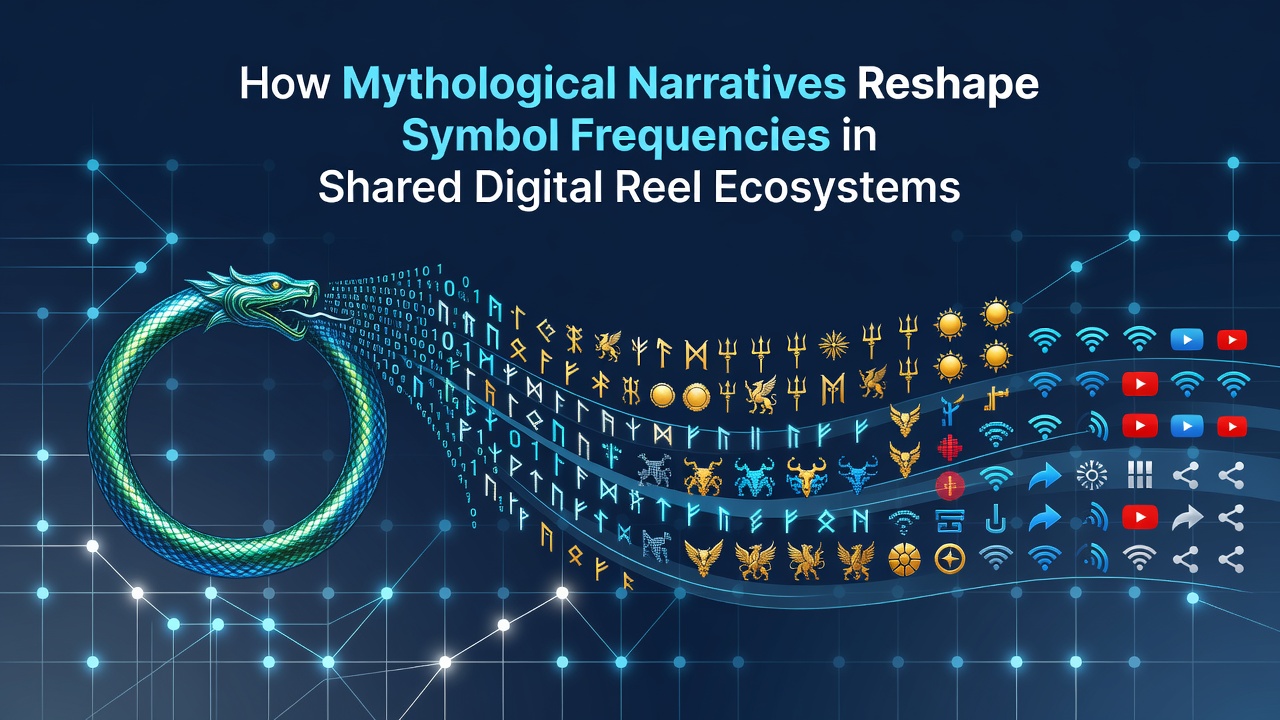
Digital reel ecosystems operate through interconnected platforms where game providers adjust symbol probabilities based on thematic frameworks drawn from ancient narratives, and developers integrate these elements into algorithms that govern appearance rates across multiple titles. Research from institutions such as the University of Nevada, Las Vegas shows that mythological structures provide narrative anchors which influence how often specific icons trigger during gameplay sessions.
Narrative Structures and Algorithmic Integration
Mythological stories supply established hierarchies of characters and events that developers translate into weighted symbol tables, and these tables determine payout probabilities while maintaining regulatory compliance across jurisdictions. In shared systems multiple games draw from a common data pool so adjustments in one title propagate through linked reels and alter frequencies for similar archetypes in other environments. Observers note that Norse legends featuring thunder gods often receive elevated hit rates compared to lesser figures because the established cultural recognition supports sustained session metrics tracked by platform operators.
Frequency Modulation Mechanisms
Symbol frequencies shift when developers recalibrate random number generators to align with story progression arcs, and this recalibration occurs through backend updates that reference mythological source materials for consistency. Data from the Alcohol and Gaming Commission of Ontario indicates that reel ecosystems shared among providers recorded measurable changes in icon distribution following narrative refreshes in June 2026. Those updates incorporated additional layers from Celtic and Mesoamerican traditions which redistributed probability weights for hero and artifact symbols across participating platforms.
Engineers implement these changes by mapping deity tiers to base game and bonus round parameters, whereas lower-tier symbols receive reduced appearance rates to preserve overall return-to-player percentages mandated by licensing authorities. The process relies on continuous data feeds that monitor player interaction patterns and feed results back into frequency tables.
Shared Ecosystem Dynamics
Shared digital reel environments allow operators to synchronize symbol libraries across studios, and this synchronization creates feedback loops where popular mythological themes gain higher visibility through aggregated performance data. Providers exchange anonymized datasets on symbol triggers which enables collective refinement of frequency models without direct code sharing. One documented case involved a network of progressive jackpot games where Greek pantheon symbols increased in frequency after cross-title events boosted engagement metrics tracked through centralized servers.
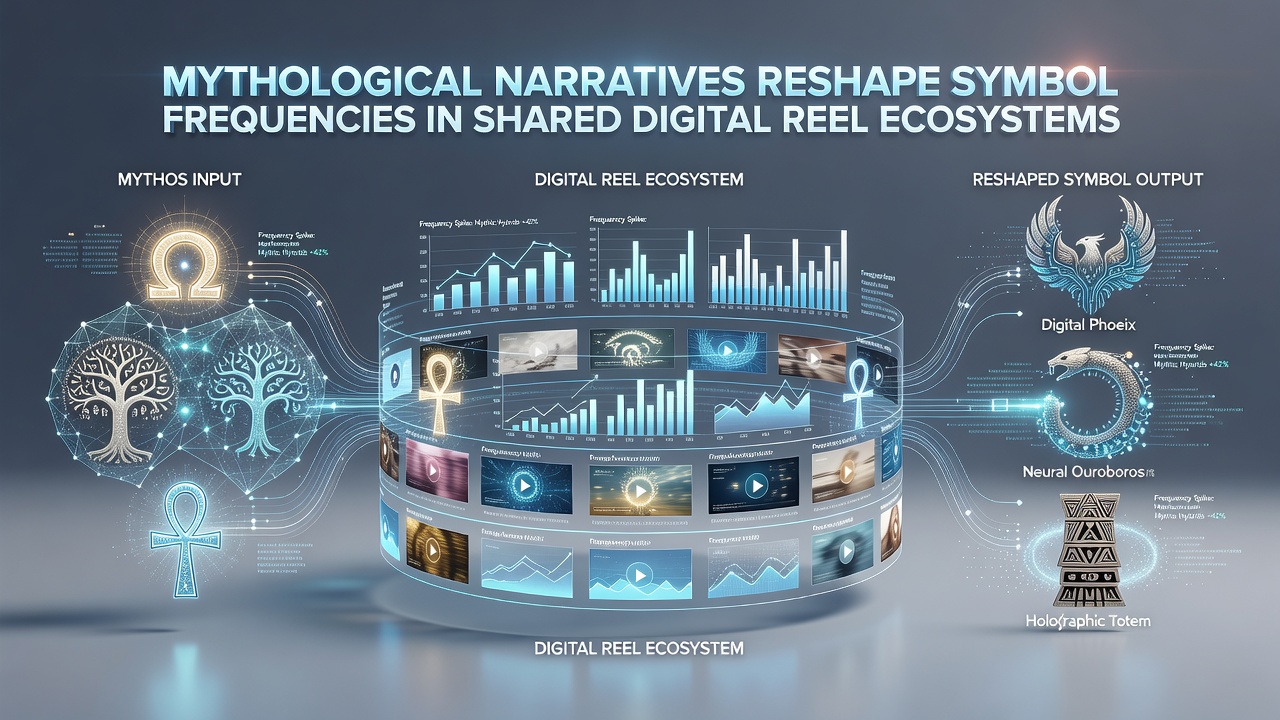
Platform architecture supports these exchanges through standardized APIs that transmit frequency adjustment parameters in real time, and operators apply regional regulatory overlays to ensure compliance with local standards. Australian regulatory frameworks administered by the Australian Communications and Media Authority require documentation of all thematic modifications that affect symbol weighting so authorities can verify fairness across distributed systems.
Regulatory Oversight and June 2026 Developments
Regulatory bodies monitor frequency changes tied to mythological content to prevent unintended variance in game mathematics, and this oversight intensified following platform-wide updates implemented in June 2026. Those updates introduced new validation protocols that cross-reference narrative source materials against deployed symbol tables. Licensing agreements now stipulate periodic audits of frequency logs that demonstrate adherence to approved mathematical models while incorporating mythological elements.
Industry reports compiled by the Canadian Gaming Association reveal that shared reel networks processed over 2.3 billion symbol evaluations monthly during the first half of 2026, with mythological categories accounting for 38 percent of total reel activity. These figures prompted further refinement of synchronization tools that balance narrative appeal against strict probability constraints enforced by multiple jurisdictions.
Technical Implementation Examples
Developers apply decision trees derived from mythological plot structures to determine when certain symbols enter higher-frequency modes during bonus sequences, and these trees operate within constraints set by certified random number generators. In one implementation a shared ecosystem adjusted frequencies for underworld-themed symbols following integration of expanded narrative branches from multiple cultural sources. The adjustment maintained identical overall return percentages while shifting distribution patterns visible to players across connected terminals.
Testing protocols require simulation runs that compare pre-update and post-update frequency distributions against mythological reference documents submitted during certification, and discrepancies trigger mandatory recalibration cycles before deployment resumes.
Conclusion
Shared digital reel ecosystems continue to evolve through the integration of mythological narratives that guide symbol frequency adjustments across interconnected platforms. Data collected through regulatory channels and industry associations demonstrates consistent application of these thematic influences within established mathematical frameworks. Ongoing synchronization practices ensure that frequency modifications remain aligned with licensing requirements while supporting the operational demands of multi-title environments.