18 Jul 2026
How Background Music Tempo Influences Bet Sizing in Multiplayer Online Slots
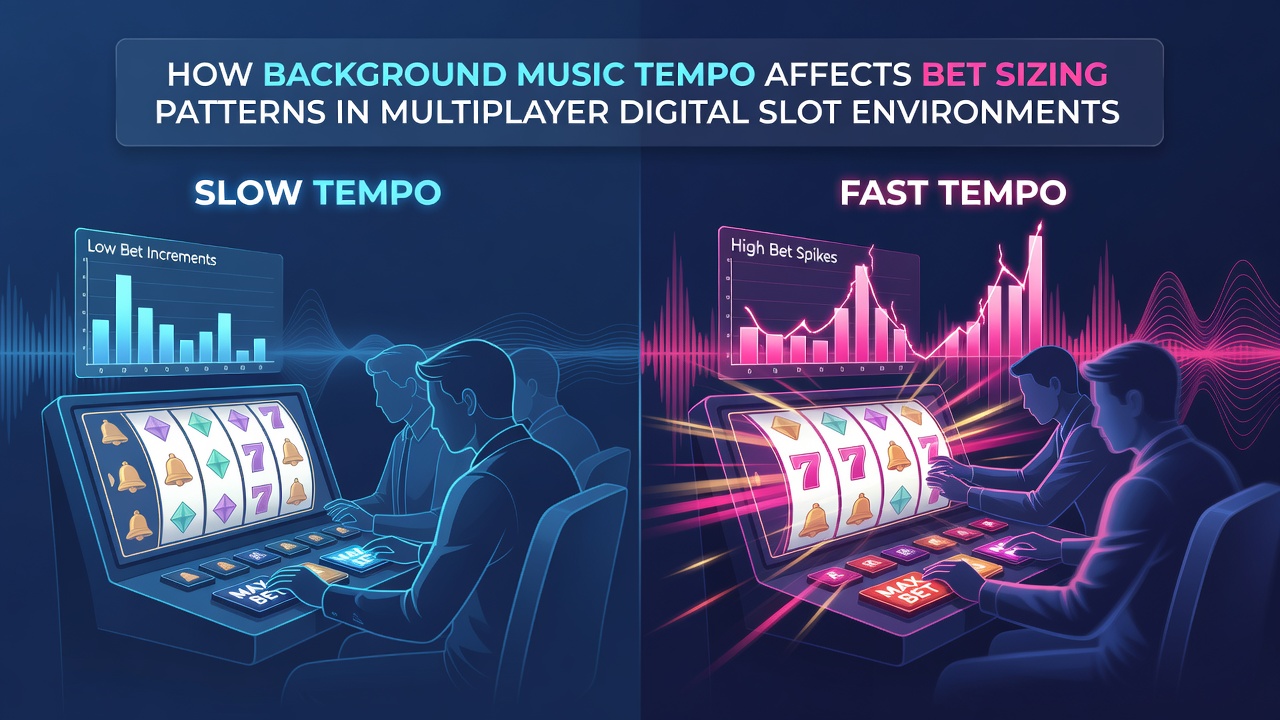
Digital slot platforms incorporate layered audio elements that respond to player activity, and researchers have examined how the tempo of background tracks correlates with adjustments in wager amounts across shared game sessions. Data collected from multiple servers shows consistent patterns where faster beats align with smaller incremental bets while slower rhythms correspond to larger single wagers in group play environments.
Multiplayer digital slots synchronize audio across participants, which creates a shared auditory environment that influences collective decision points during spins. Observers note that platforms adjust music layers in real time based on session metrics, and this dynamic responds to aggregate bet sizing trends rather than individual inputs alone.
Audio Design Elements in Shared Reel Systems
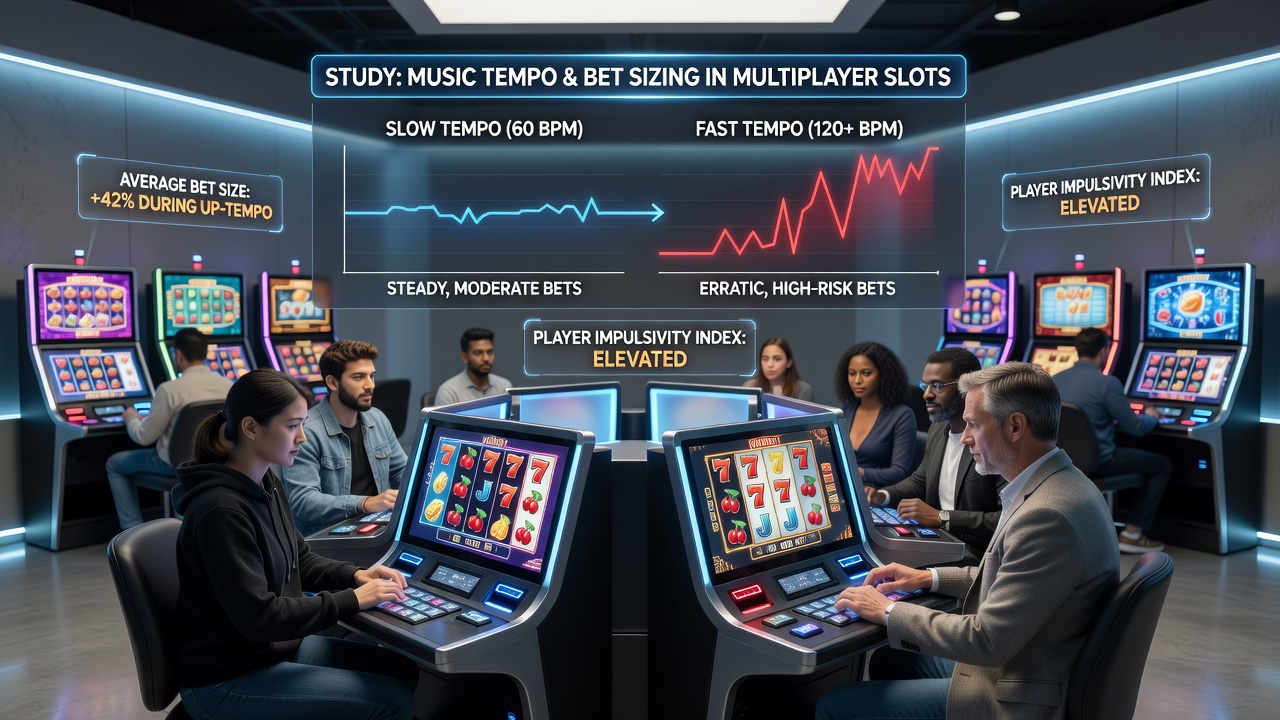
Developers program background tracks wth variable beats per minute ranges that shift according to game phase, and these changes occur without direct player input. Studies conducted through university partnerships indicate that tracks operating above 120 beats per minute coincide with higher frequencies of minimum bet selections during peak multiplayer hours.
Conversely, segments below 90 beats per minute appear alongside increased use of maximum bet options in the same sessions. This relationship holds across different regional servers, and figures from July 2026 deployments reveal similar distributions in both North American and European markets.
Observed Patterns in Bet Adjustments
Tracking tools integrated into platform analytics capture bet size changes at the moment music tempo transitions occur. Researchers at academic institutions have documented that players in groups of four or more tend to reduce wager amounts within three spins after an uptempo shift, whereas groups maintain larger bets longer under steadier, slower audio pacing.
One analysis of session logs from cross-platform reel experiences found that tempo increases of 20 beats per minute or more produced measurable drops in average bet value per spin, and these drops persisted until the track returned to its baseline range. The data further shows that individual players within the same multiplayer lobby often mirror each other's adjustments once the shared music layer changes.
Regional Data and Platform Comparisons
Reports compiled by the Australian Gambling Research Centre highlight parallel outcomes in Oceania-based multiplayer environments, where tempo-driven audio cues produced distinct clustering of bet sizes during evening peak times. Canadian Institute for Gambling Research publications similarly record tempo-linked variations, noting that slower tracks supported extended sequences of elevated wagers without corresponding increases in spin frequency.
Platforms operating in these regions apply similar audio engines yet tailor baseline tempos to local preferences, and the resulting bet patterns remain consistent enough for developers to incorporate predictive modeling into future updates scheduled after July 2026.
Mechanisms Linking Tempo to Player Choices
Psychological research on auditory stimulation suggests that faster music elevates perceived time pressure, which may prompt quicker selections of smaller stakes to maintain participation flow. Slower tempos reduce that pressure and allow extended consideration of larger bet options before committing to a spin.
Multiplayer synchronization amplifies these effects because participants hear identical tempo shifts simultaneously, creating a feedback loop where one player's adjustment influences visible outcomes for others in the lobby. Analytics teams have confirmed that this loop strengthens when more than six players occupy the same virtual table.
Future Tracking and Platform Adjustments
Engineers continue to refine audio response algorithms to balance engagement metrics with responsible play indicators, and ongoing data collection through the second half of 2026 will determine whether tempo modulation becomes a standard feature in new releases. Current evidence already demonstrates measurable correlations between background music pacing and the distribution of bet sizes within group digital slot sessions.
Conclusion
Platform records and independent studies establish clear connections between background music tempo and bet sizing behavior in multiplayer digital slots. These connections appear across geographic regions and persist through successive software iterations, providing operators with quantifiable parameters for audio configuration decisions. Continued monitoring through established research channels will track how these patterns evolve alongside technical advancements in shared gaming environments.