22 Jun 2026
How Authentication Timelines Coordinate With Reward Tier Progressions Across Worldwide Digital Chance Platforms
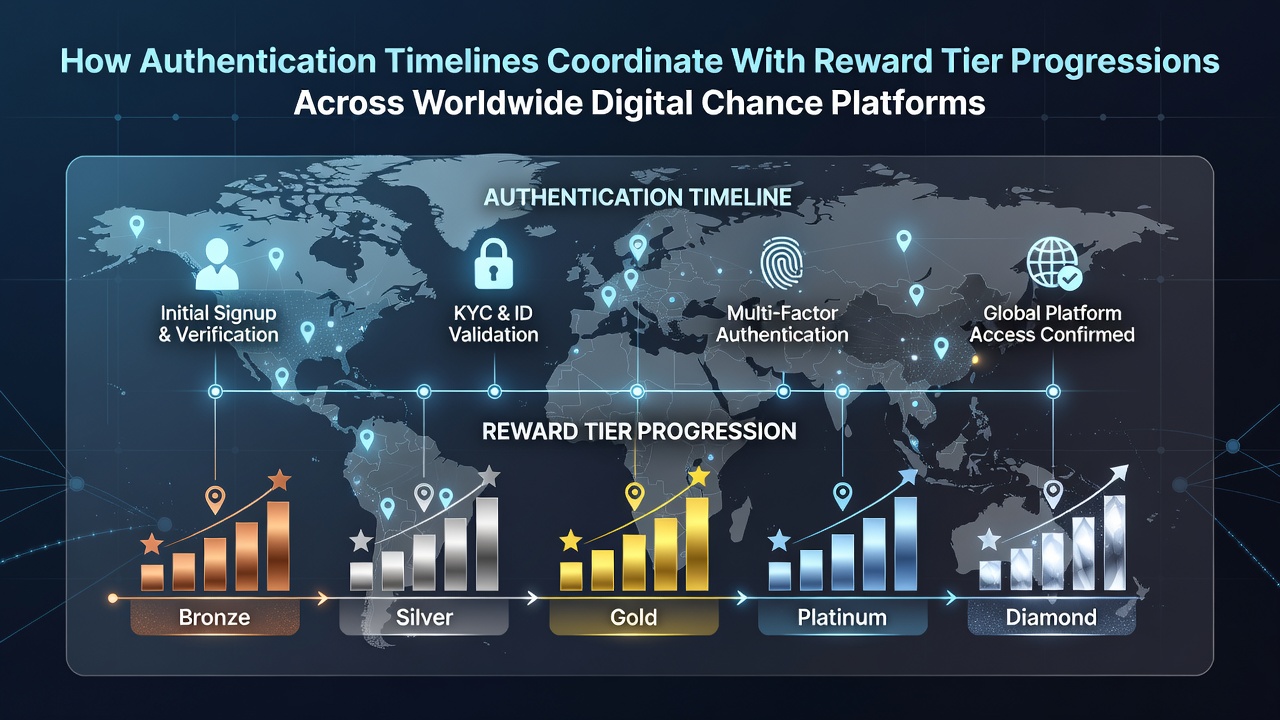
Digital chance platforms operate across multiple continents where authentication timelines directly shape how users advance through reward tiers, and this coordination relies on verification steps that unlock progressive benefits only after specific identity checks clear. Platforms in regions like Europe, North America, and Asia Pacific require users to submit documents for know-your-customer processes, with completion times ranging from hours to several business days depending on the jurisdiction and the volume of submissions under review.
Core Authentication Mechanisms and Their Timing
Verification sequences begin when new accounts are created, and they proceed through layers that include email confirmation, identity document uploads, and sometimes biometric scans before any tiered rewards become active. Data from regulatory filings shows that European platforms often complete basic checks within 24 hours while more complex cases involving cross-border users extend to five days. These timelines determine when initial reward points start accumulating, since most systems withhold tier progression until the primary verification stage finishes successfully.
Reward Tier Structures and Progression Rules
Tier systems on global platforms typically feature multiple levels that grant escalating benefits such as bonus multipliers, exclusive game access, and faster withdrawal processing, and advancement depends on cumulative activity tracked after authentication clears. Observers note that users who complete verification early gain immediate access to entry-level rewards while those delayed by additional document requests remain at base status until the process resolves. Industry reports indicate that higher tiers require sustained play volumes combined with verified account status, creating a direct link between authentication speed and reward eligibility.
Synchronization Between Verification and Tier Unlocks
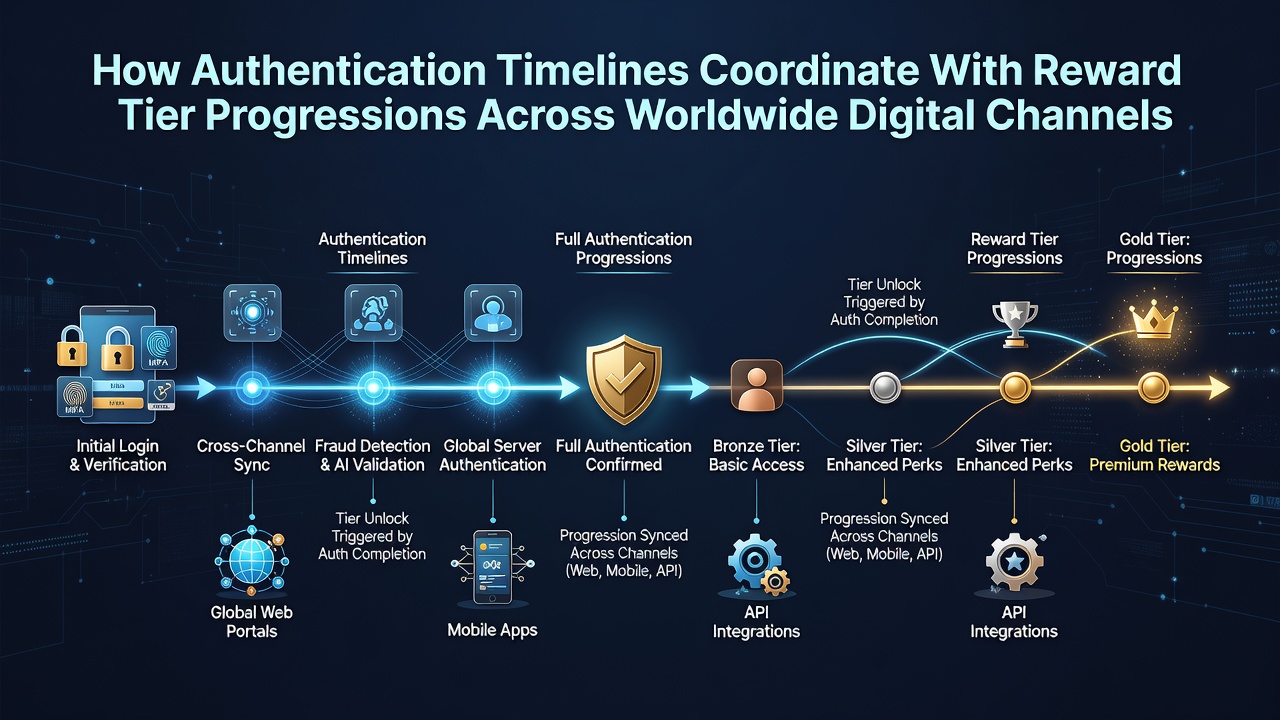
Platform architectures integrate authentication status as a gatekeeper for tier advancement, so reward points generated during unverified periods often remain frozen until full clearance occurs. This setup prevents premature benefit distribution and aligns with compliance requirements that vary by region. In June 2026 several platforms updated their backend systems to automate status updates, reducing average coordination delays from 72 hours to under 36 hours in markets where regulators permitted streamlined digital document reviews. Those updates demonstrate how technical adjustments can tighten the connection between verification completion and visible tier progress without altering underlying regulatory thresholds.
Regional Variations in Coordination Practices
North American platforms tend to enforce stricter sequential checks that extend authentication periods, which in turn slows initial tier movement compared to systems in parts of Asia where pre-verified partnerships with local services accelerate the process. Australian operators follow guidelines from the Australian Communications and Media Authority that mandate clear timelines for verification, and these rules influence how quickly users reach the first reward milestone. Platforms serving multiple regions maintain separate queues for different regulatory zones so that authentication pace remains consistent with local standards while still feeding into unified global tier databases.
Impact on User Activity Patterns
Once authentication finishes, reward tier progressions activate retroactively in many systems, allowing accumulated activity to count toward advancement from the account creation date onward. Research from the International Association of Gaming Regulators indicates that this retroactive crediting encourages continued engagement immediately after verification succeeds. Yet delays during peak submission periods, such as major sporting events, can create temporary gaps where users pause activity until their tier status updates and visible rewards appear.
Technical Integration Methods
Backend systems use API connections between identity verification providers and loyalty engines so that tier databases receive real-time status flags once checks pass. This integration supports automatic point transfers and level upgrades without manual intervention, though edge cases involving flagged documents still require human review that extends the overall timeline. Observers have documented that platforms employing machine learning for initial document screening achieve faster average coordination between authentication and reward activation across worldwide operations.
Future Adjustments Expected in 2026 and Beyond
Regulatory bodies in multiple jurisdictions continue to refine requirements around digital identity verification, and these changes will likely influence how quickly reward tiers respond to completed authentications. Platforms are testing blockchain-based verification pilots that could shorten timelines further while maintaining compliance across borders. Data from early trials shows reduced processing windows in select markets, suggesting potential for tighter synchronization between verification events and tier progression mechanics as adoption expands.
Conclusion
Authentication timelines serve as foundational controls that determine when reward tier progressions become accessible on digital chance platforms worldwide, and the coordination between these elements reflects both technical capabilities and regional regulatory frameworks. As systems evolve through 2026 and afterward, the relationship between verification completion and tier advancement continues to shape user experiences across different markets while supporting consistent compliance standards.