6 Jun 2026
Exploring Synchronization Challenges Between Live Interaction Modules and Automated Prize Mechanisms in Multiplayer Digital Environments
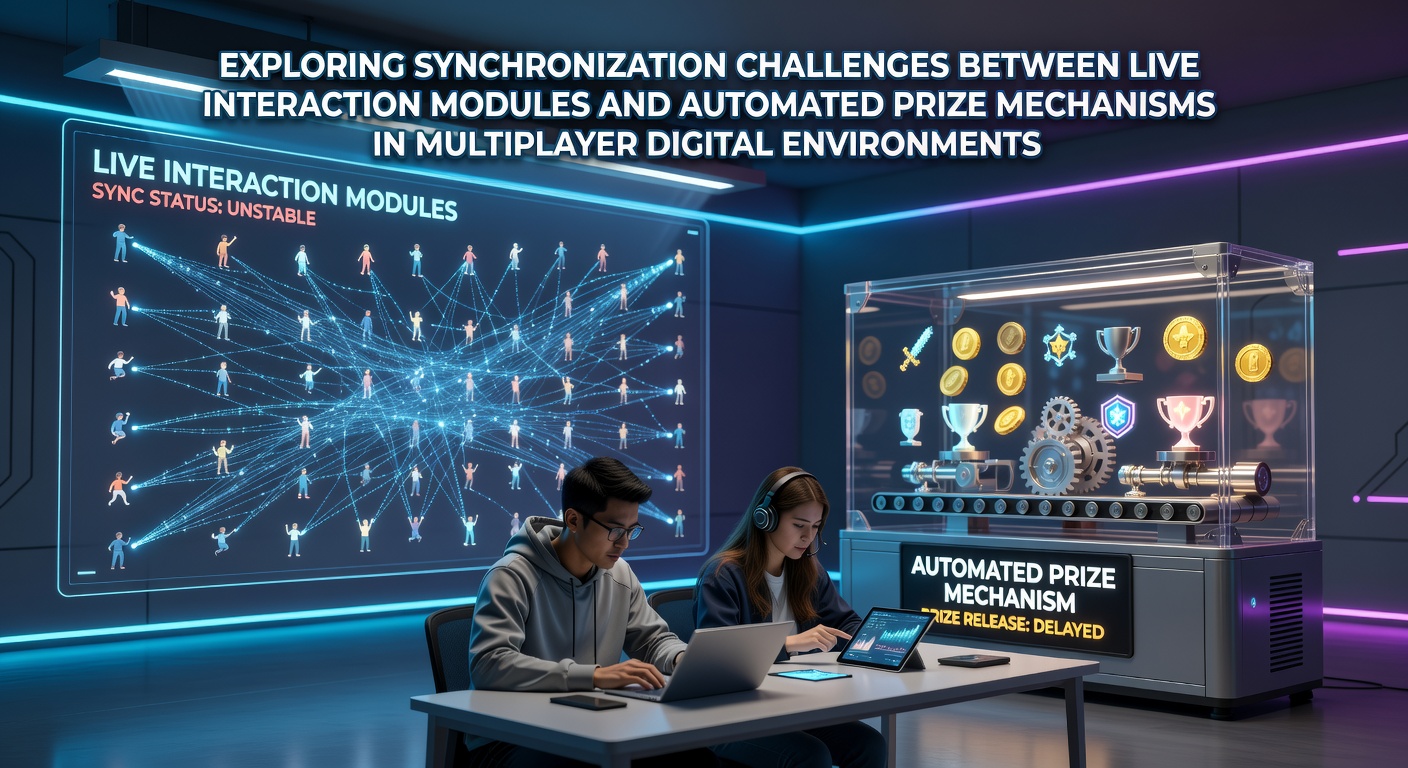
Multiplayer digital environments rely on complex systems where live interaction modules handle real-time player communications and movements while automated prize mechanisms distribute rewards based on performance metrics or event triggers. These components must operate in tandem yet developers face persistent synchronization issues that affect consistency across distributed servers and client devices.
Core Components in Multiplayer Systems
Live interaction modules process inputs such as player positions, chat data, and collaborative actions through dedicated servers that broadcast updates at fixed intervals, typically ranging from 20 to 60 times per second depending on the platform architecture. Automated prize mechanisms, by contrast, evaluate conditions against predefined rulesets and trigger payouts or unlocks without direct human oversight, often using backend databases to record outcomes. Observers note that misalignment between these systems arises when network latency disrupts the timing of event detection and reward allocation.
Research from institutions including the University of Waterloo indicates that latency spikes above 150 milliseconds frequently cause prize mechanisms to reference outdated interaction states, leading to duplicate awards or missed distributions in sessions involving more than 50 concurrent users. Data shows these discrepancies compound in cross-platform deployments where mobile clients experience variable connection qualities compared to desktop setups.
Technical Synchronization Barriers
Engineers encounter several recurring obstacles when aligning the two systems. Timestamp reconciliation stands out because live modules generate continuous streams of positional and action data while prize logic operates on discrete checkpoints. Without precise clock synchronization protocols such as NTP or PTP adaptations, automated systems may evaluate player achievements against interaction logs that have already been adjusted for lag compensation.
Memory consistency presents another layer of complexity. Prize mechanisms often cache reward eligibility in local server memory for speed yet must poll live interaction databases for confirmation. In environments where player counts surge unexpectedly, cache invalidation delays create windows where one module recognizes an achievement and the other does not. Studies conducted by the Technical University of Munich in 2025 documented cases where such mismatches reached 3.2 percent of total prize events during peak load periods.
Impact on User Experience and Platform Stability
Players encounter visible effects when synchronization falters. Rewards may appear delayed by several seconds, or interaction-based achievements fail to register entirely until a manual reconciliation process runs. Platform operators report increased support tickets during these periods, with figures from the Interactive Games and Entertainment Association revealing a 27 percent rise in dispute resolutions tied to prize timing across major titles in the first quarter of 2026.
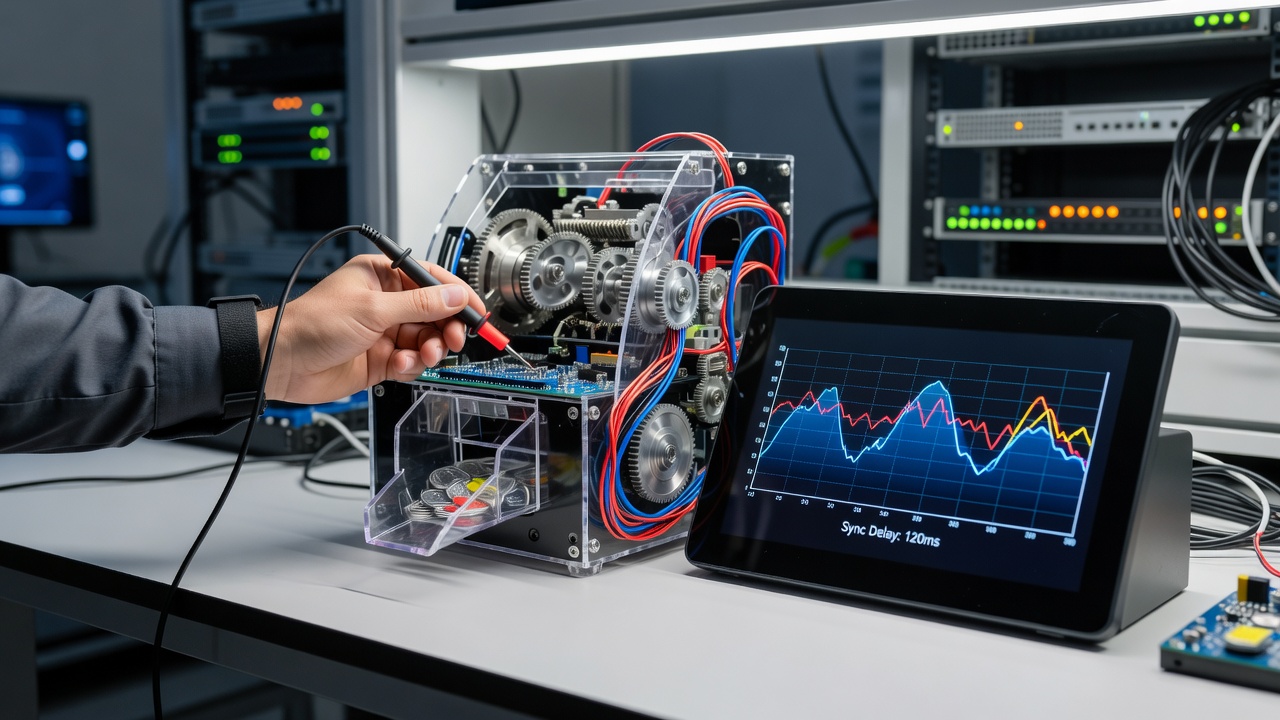
Stability concerns extend beyond individual sessions. When automated mechanisms repeatedly reference stale data, rollback procedures consume additional server resources and can trigger cascading delays for adjacent player groups. In June 2026 several mid-sized platforms implemented enhanced state-vector reconciliation layers following observed throughput drops during major in-game events.
Approaches to Mitigation
Developers have tested multiple strategies to reduce friction. Event sourcing architectures allow both modules to consume the same immutable log of interactions, ensuring prize evaluations occur against verified sequences rather than reconstructed states. Distributed ledger techniques adapted from blockchain research provide another avenue, though they introduce overhead that some environments find prohibitive for sub-second responsiveness.
Testing frameworks now incorporate simulated latency profiles drawn from real-world telemetry collected across regions. The Canadian Interactive Digital Entertainment Council published guidelines in early 2026 recommending mandatory latency injection tests at the 100-millisecond and 250-millisecond thresholds before any prize system deployment reaches production.
Hybrid monitoring tools that flag divergence between interaction timestamps and prize trigger times have gained traction. These systems alert operators within seconds rather than after player reports accumulate, shortening the window for incorrect reward states to propagate.
Regulatory and Industry Context
Industry bodies continue to examine how synchronization reliability intersects with fairness standards. The Australian Communications and Media Authority has referenced timing accuracy in its 2025 consultation papers on digital platform accountability, while academic papers from the University of Sydney outline measurement frameworks for quantifying reward delivery variance. Those frameworks emphasize continuous logging of end-to-end latency from interaction to prize confirmation as a baseline metric.
Conclusion
Synchronization between live interaction modules and automated prize mechanisms remains a central engineering priority in multiplayer digital environments. Ongoing work on timestamp alignment, cache strategies, and distributed logging continues to narrow the gap between expected and actual outcomes. As platforms scale and player numbers grow, the precision of these integrations determines both operational efficiency and user trust in automated reward processes.