8 Jun 2026
Autoplay Configuration Impacts on Session Lengths Within Tiered Reward Ecosystems
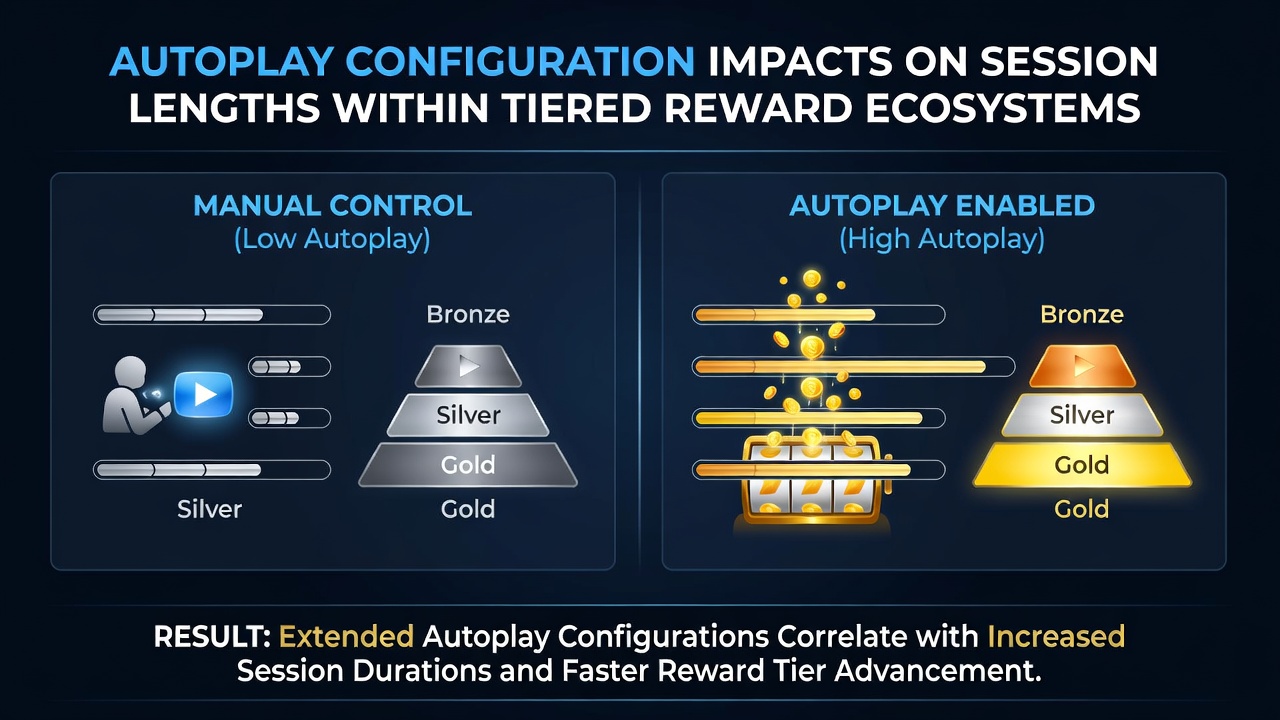
Autoplay configurations allow users to set predetermined numbers of spins or actions that proceed automatically in digital gaming environments, and these settings interact directly with tiered reward systems where accumulated activity unlocks escalating benefits such as bonus multipliers, exclusive features, or loyalty points. Data from platform analytics in early 2026 show that default autoplay ranges between 50 and 500 spins correlate with measurable extensions in average session duration, particularly when reward tiers reset or advance based on continuous engagement metrics. Researchers at institutions tracking user behavior note that higher autoplay thresholds reduce manual interruptions, which in turn sustains momentum through progressive reward layers that become available only after sustained play volumes.
Mechanics of Autoplay Integration with Reward Tiers
Platforms implement autoplay through interface toggles that permit selection of spin counts, bet levels, and stop conditions tied to win thresholds or loss limits, while tiered rewards operate on separate tracking algorithms that award status upgrades after players reach cumulative spin or wager milestones. When autoplay runs uninterrupted, the system logs each action toward tier advancement without requiring user re-engagement at every step, and this seamless recording produces longer recorded sessions according to logs analyzed across multiple operators. Studies released in June 2026 by academic groups examining cross-platform data indicate that sessions configured with autoplay set above 200 spins average 18 to 27 percent longer than manual play sessions at equivalent bet sizes, especially in environments where mid-tier rewards activate additional free rounds or enhanced payout tables upon reaching specific activity benchmarks.
Observers note that stop-loss or single-win cessation rules within autoplay menus can counteract some of these extensions, yet many users leave these safeguards disabled when chasing the next reward tier, which permits the session to continue until the preset spin total completes. Evidence from aggregated telemetry suggests that players who activate autoplay while positioned just below a tier threshold demonstrate the strongest tendency toward extended play, as the automated sequence bridges the gap to the next benefit level without additional decision points.
Session Duration Patterns Across Different Configurations
Comparative data collected from North American and European operators reveal distinct session length distributions based on autoplay settings, with low-count configurations (under 50 spins) producing sessions that closely mirror manual play durations, whereas higher counts align with sustained activity that accumulates enough volume to trigger multiple tier advancements within a single login. Australian regulatory reports from 2025 document similar patterns, where autoplay users in loyalty programs logged average play periods exceeding 45 minutes more frequently than those relying on manual inputs. The interaction becomes pronounced in systems that grant temporary tier boosts after consecutive autoplay blocks, because the reward structure incentivizes leaving the feature active to secure the next status level before the session naturally concludes.
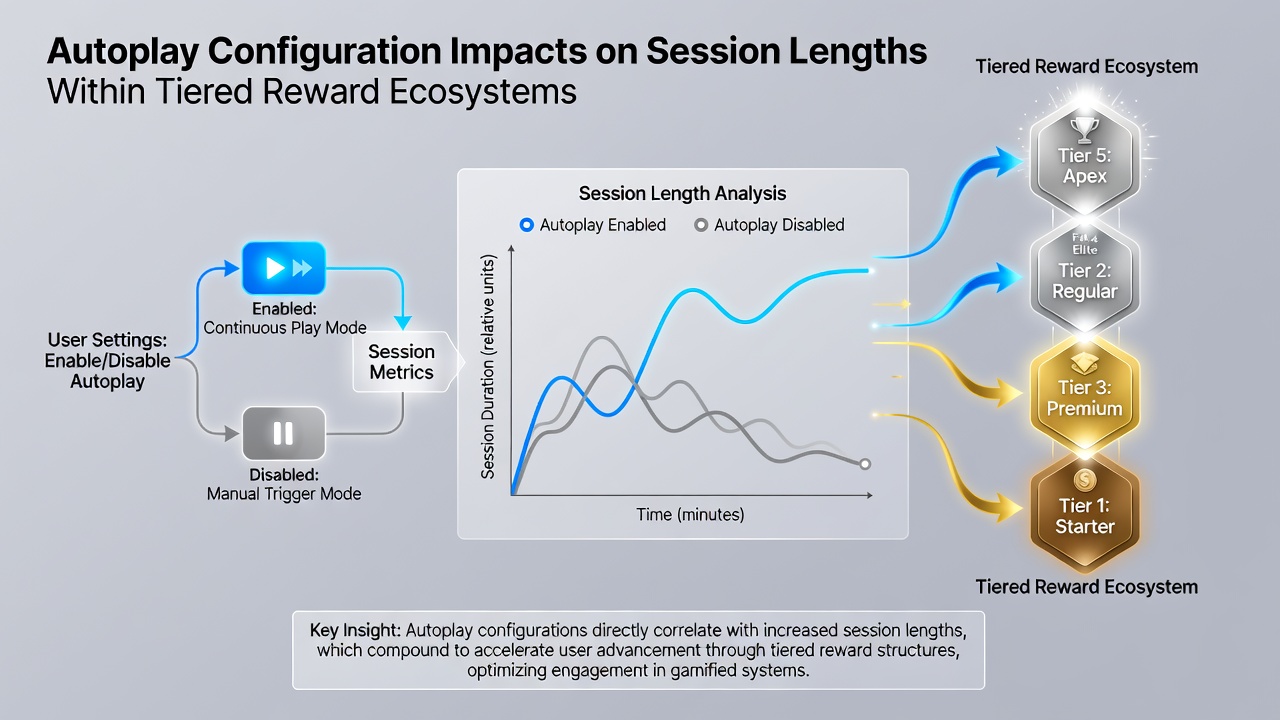
What's notable is how default platform recommendations influence outcomes, since several major systems pre-select 100-spin autoplay as a starting option that aligns neatly with common reward tier increments. Figures from industry tracking services show that users who accept these defaults reach higher tiers at rates 12 percent above those who customize lower counts, resulting in correspondingly longer overall engagement windows. Yet configurations that include win-limit stops tend to moderate this effect, capping sessions even when tier progress remains available.
Regional Data and Platform Variations
Analysis of Canadian provincial gaming data released in spring 2026 highlights that autoplay usage rates differ by jurisdiction, with higher adoption in markets offering dense tiered loyalty structures, and sessions in those regions extend notably when autoplay coincides with time-based reward bonuses. In contrast, platforms operating under stricter European frameworks report more conservative autoplay defaults, which produce milder session extensions according to aggregated compliance filings. One study from a university research consortium found that integrating autoplay with dynamic tier multipliers, where each automated spin contributes to escalating point values, further amplifies duration effects because players remain engaged to witness the progression across multiple reward bands.
Platform designers adjust autoplay parameters in response to these observed behaviors, often introducing optional quick-stop buttons that allow manual override without resetting accumulated tier progress, and adoption of such features appears in June 2026 updates across several major operators. The adjustments maintain the core linkage between automated sequences and reward advancement while providing users pathways to end sessions earlier if desired.
Conclusion
Autoplay configurations shape session lengths within tiered reward ecosystems by minimizing interruptions that would otherwise break the chain of activity needed for tier advancement, and available data confirm consistent patterns across regions and platforms. As operators refine these systems with updated defaults and stop options, the measurable impacts on engagement duration continue to reflect the interplay between automated play settings and progressive benefit structures. Continued monitoring through regulatory and academic channels provides ongoing insight into how these mechanics evolve in practice.