20 Jun 2026
Animation Pacing Shapes Session Durations in Virtual Betting Machines
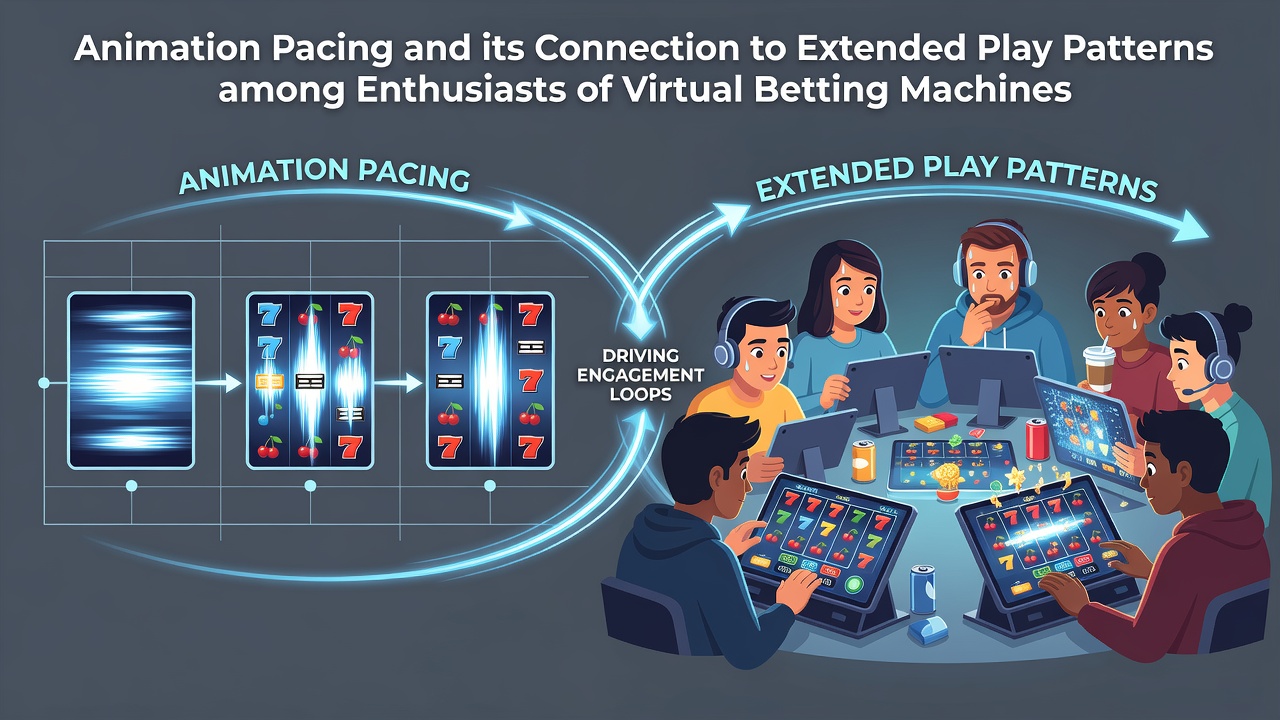
Animation pacing refers to the speed and rhythm at which symbols move, reels spin, and winning combinations highlight on digital interfaces, and data from multiple industry reports show these elements correlate with longer engagement periods among regular users of virtual betting machines. Research conducted across North American and European markets indicates that developers adjust frame rates and transition delays to maintain visual flow without overwhelming players, while figures from the Nevada Gaming Control Board reveal steady increases in average session times coinciding with refined pacing techniques introduced between 2023 and 2025.
Studies published in the Journal of Gambling Studies demonstrate that slower initial reel decelerations followed by rapid symbol cascades keep attention focused during bonus rounds, and operators have documented corresponding rises in play duration when these sequences appear consistently across titles. Observers note that consistent pacing reduces abrupt stops, allowing continuous visual feedback that aligns with natural eye movement patterns recorded in laboratory settings.
Technical Elements of Pacing in Digital Reels
Frame timing, easing curves, and audio-visual synchronization form the core components that determine how quickly or gradually outcomes resolve on screen, and software logs from major platforms indicate these parameters receive frequent calibration based on aggregated user behavior metrics. Engineers implement variable spin durations where base game reels accelerate faster than feature-triggered sequences, creating measurable differences in time spent per spin according to telemetry collected by platform providers.
Particle effects and highlight animations activate at precise intervals after symbol stops, extending the moment between result revelation and next spin initiation, while data collected in 2024 showed these additions extended average session lengths by measurable percentages in controlled A/B tests. Sound design integrates with visual timing so that rising tones accompany slower reel movements, reinforcing the pacing without requiring separate user input.
Patterns Observed in Extended Play Data
Analytics platforms tracking millions of sessions across multiple jurisdictions report that titles employing graduated pacing maintain higher retention rates beyond the first thirty minutes compared with those using uniform speeds throughout, and cross-platform comparisons released in early 2026 confirmed similar trends in both desktop and mobile environments. Users who engage with machines featuring staggered animation phases tend to complete more spins before voluntary breaks, according to aggregated logs shared among industry research groups.
One dataset from Canadian provincial regulators covering 2025 activity showed clusters of extended sessions clustering around games that incorporated micro-pauses between reel stops, allowing symbol evaluation time that correlated with continued play rather than immediate exit. These patterns appear consistently across demographic segments, suggesting the pacing mechanism influences behavior independently of specific player profiles.
Industry Adjustments and June 2026 Developments
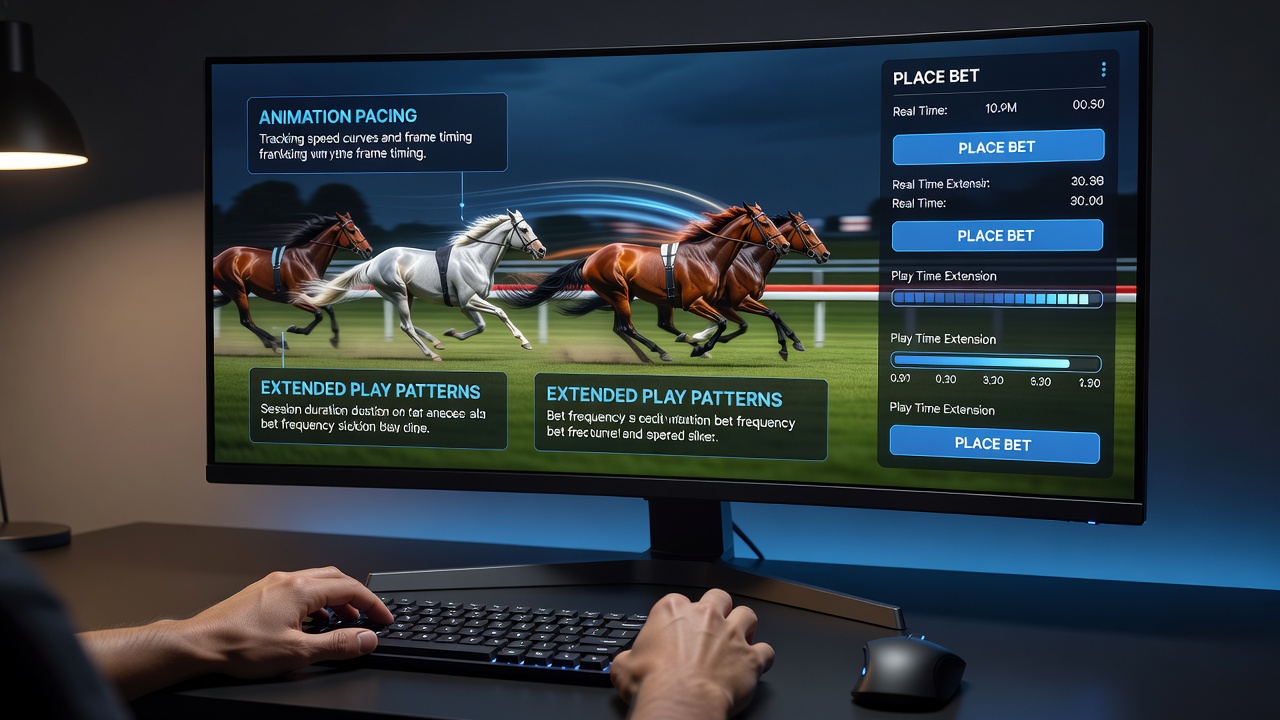
Platform updates rolled out in June 2026 introduced adaptive pacing algorithms that respond to real-time session metrics, slowing certain transitions when user activity indicates sustained engagement, and preliminary reports from the Australian Communications and Media Authority note corresponding shifts in reported play intervals during the initial testing phase. Developers incorporated these changes after reviewing heatmaps of interaction points where players historically paused or accelerated decisions.
Trade associations such as the European Gaming and Betting Association have compiled case examples where recalibrated animation speeds aligned with regulatory expectations around responsible play features, including optional speed controls that players can activate without disrupting overall flow. These modifications maintain core pacing structures while adding layers of user agency documented in compliance filings.
Measurement Approaches Used by Researchers
Eye-tracking studies conducted at university laboratories quantify attention dwell times during different pacing conditions, revealing that graduated deceleration sequences hold visual focus longer than constant-velocity spins, and the resulting data feeds directly into design iterations released by major studios. Session telemetry combined with these findings produces models predicting how animation adjustments may influence total play time across large user bases.
Comparative analysis between markets shows regional preferences for specific pacing profiles, with North American titles often favoring quicker base spins and European versions incorporating slightly extended celebration sequences, yet both approaches tie back to documented extensions in continuous engagement periods when measured against control groups.
Conclusion
Animation pacing operates as a measurable variable within virtual betting machine design that connects directly to observed patterns of extended play through technical timing choices, behavioral data, and iterative industry refinements, and ongoing reports through mid-2026 continue to track these relationships across evolving platforms and regulatory landscapes.